15 15 Glossary of the second reading of the partial heat transfer terms terms
In this glossary we will see some words that help to learn the subject and the English language
Conduction shape factor
noun
The heat transfer from one surface (at a temperature T1) to the other surface (at T2) can be expressed as: q=Sk(T1-T2) where k is the thermal conductivity of the solid and S is the conduction shape factor.
Example: The shape factor can be related to the thermal resistance: q=Sk(T1-T2)=(T1-T2)/(1/kS)= (T1-T2)/Rt where Rt = 1/(kS)
es: Factor de forma de conducción
Convection resistance
noun
reference to the thermal resistance of materials to convection
Example: Thermal conduction and thermal convection seldom take place in isolation, however. Often conduction, convection and/or radiation take place together.
es: Resistencia a la convección
Critical radius of insulation
noun
resistance of insulation, but decreases the convection resistance of the surface because of the increase in the. outer surface area. Due to these opposite effects, a critical radius of insulation is defined as the outer radius. that provides maximum rate of heat transfer.
Example: It can be derived the critical radius of insulation depends on the thermal conductivity of the insulation k and the external convection heat transfer coefficient h.
es: Radio crítico de aislamiento
Cylinder conduction resistance
noun
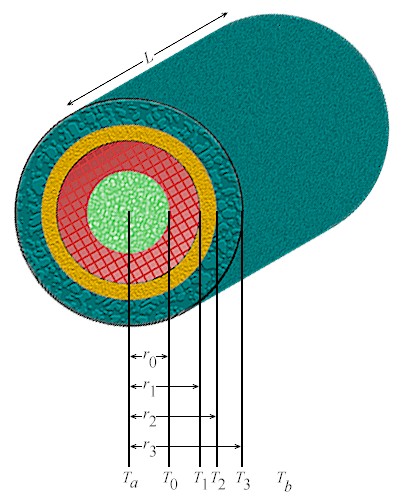
Chemical engineers encounter conduction in the cylindrical geometry when they analyze heat loss through pipe walls, heat transfer in double-pipe or shell-and-tube heat exchangers, heat transfer from nuclear fuel rods, and other similar situations.
Example: Steady Conduction Through Multiple Layers in the Cylindrical Geometry
es: Resistencia de conducción del cilindro
Efficiency
noun
Efficiency is the fundamental reduction in the amount of wasted resources that are used to produce a given number of goods or services
Example: heat exchanger efficiency is defined as the ratio of the heat transferred in the actual heat exchanger to the heat that would be transferred in the ideal heat exchanger.
es: Eficiencia
Fin effectiveness
noun
The fin temperature effectiveness or fin efficiency is defined as the ratio of the actual heat transfer rate through the fin base divided by the maximum possible heat transfer rate through the fin base.
Example: The effectiveness of a fin is defined as the ratio of heat transfer using fin to that of heat transfer without fin
es: Eficacia de la aleta
Fin efficiency
noun
Fin efficiency is defined as the ratio of actual heat flow of the fin to that which would be obtained with a fin of constant temperature uniformly equal to the base surface temperature
Example: Fin Efficiency is the ratio of the heat transferred by a fin to the heat that would have been transferred
es: Eficiencia de las aletas
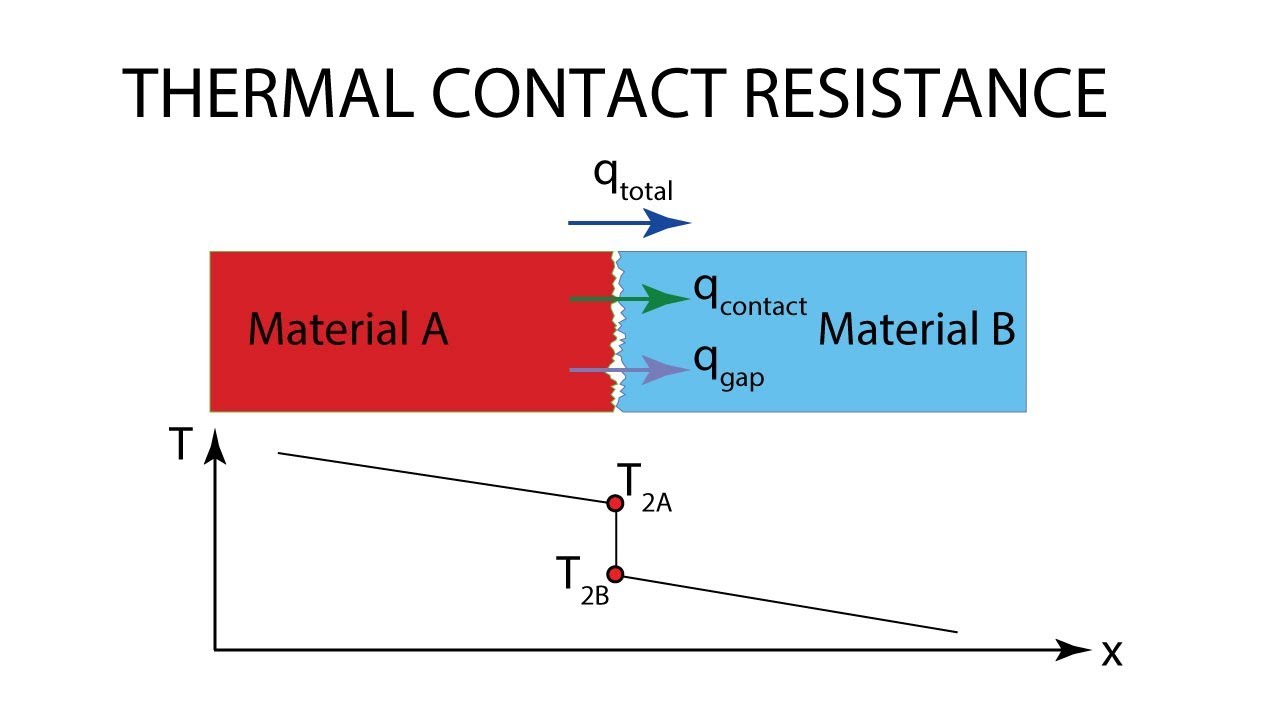
Interface resistance
noun
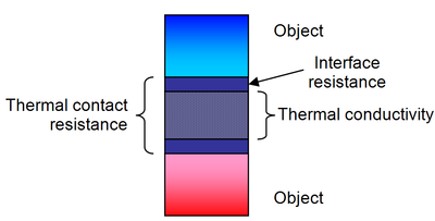
Interfacial thermal resistance, also known as thermal boundary resistance, or Kapitza resistance, is a measure of an interface's resistance to thermal flow
Example: Low thermal resistance at interfaces is technologically important for applications where very high heat dissipation is necessary
es: Resistencia de interfaz
Plane wall conduction resistance
noun
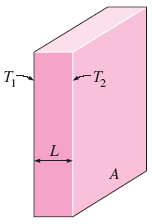
is the thermal resistance of the wall against heat conduction or simply the conduction resistance of the wall.
Example: let us consider a plane wall of homogeneus material througt which heat is flowin in x direction
es: Resistencia a la conducción de la pared plana
Radiation resistance
noun
resistance of materials to transfer heat through radiation
Example: Radiation resistance is that part of an antenna's feedpoint electrical resistance that is caused by the radiation of electromagnetic waves from the antenna.
es: Resistencia a la radiación
Sphere conduction resistance
noun
This property studies the transfer of heat in a body with the shape of a sphere
Example: Consider an infinitesimal thin spherical element at radius r. Let thickness of this elementary ring be dr and the change of temperature across it be dt.
es: Resistencia a la conducción de la esfera
Surfaces
noun
the outside part or uppermost layer of something (often used when describing its texture, form, or extent
Example: Extended surfaces have fins attached to the primary surface on one side of a two-fluid or a multifluid heat exchanger
es: Superficies
Thermal contact conductance
noun
thermal contact conductance is the study of heat conduction between solid bodies in thermal contact. The thermal contact conductance coefficient, is a property indicating the thermal conductivity, or ability to conduct heat, between two bodies in contact
Example: Most experimentally determined values of the thermal contact resistance fall between 0.000005 and 0.0005 m2 K/W
es: Conductancia de contacto térmico
Thermal contact resistance
noun
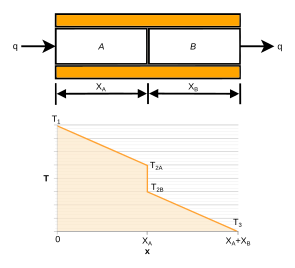
Thermal contact resistance is defined as the ratio between this temperature drop and the average heat flow across the interface.
Example: Most experimentally determined values of the thermal contact resistance fall between 0.000005 and 0.0005 m2 K/W (the corresponding range of thermal contact conductance is 200,000 to 2000 W/m2 K).
es: Resistencia al contacto térmico
total thermal resistance
noun
Thermal resistance is a heat property and a measurement of a temperature difference by which an object or material resists a heat flow. Thermal resistance is the reciprocal of thermal conductance.
Example: thermal resistance R in kelvins per watt (K/W) is a property of a particular component. For example, a characteristic of a heat sink.